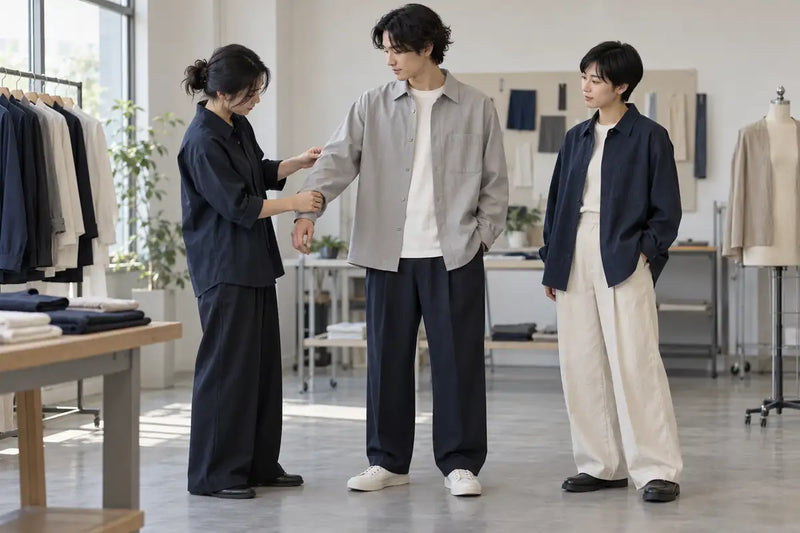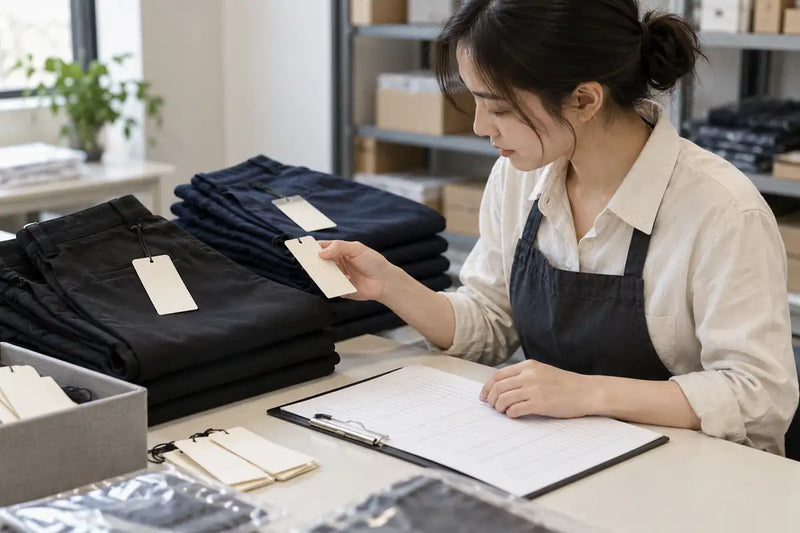
Cover image: AI-generated illustration of fabric review, not a photograph of this customer project.
A customer came to YJ with a summer pants brief that called for drape and a cool feel. The initial fabric request was lyocell. The lyocell option selected for this project was lighter than needed. Its drape and cool feel fell short of expectations.
We changed to a heavier polyester fabric. The replacement met the project's requirements and reduced costs. The customer approved the sample, and we completed bulk production.
This custom pants case study follows that material decision. It describes the two fabrics used in this project, not a general comparison of lyocell and polyester.
The brief: summer pants with drape and a cool feel
The customer's brief combined a material request with a product goal: lyocell fabric for summer pants with drape and a cool feel. Meeting the material request alone would not settle whether the fabric suited the pants.
We started with the requested lyocell option. When its drape and cool feel fell short, we reconsidered the fabric while keeping the customer's intended result in view.
Why the original lyocell option did not work
The issue was the particular fabric selected for this order. It was lighter than needed and did not meet the drape or cool-feel requirements for the summer pants.
Fabric selection for pants needs more than a fiber name. That name identifies the material category, but it cannot tell you exactly how a particular fabric will hang. This lyocell option fell short of the brief. Another lyocell fabric would need its own assessment.
Weight is one part of the assessment. For example, CottonWorks' explanation of digital fabric describes measuring thickness, weight, bending, and stretching to simulate drape. The practical implication for buyers is to assess the actual fabric rather than predict the finished result from a fiber name or GSM alone.
The change: a heavier polyester fabric
We moved from the original lyocell option to a polyester fabric with a higher weight. This alternative met the project's drape and cool-feel requirements. The material change also lowered costs.
The polyester fabric was the better match between these two options for this brief. A different order could lead to a different choice: polyester does not always feel cooler, and increasing fabric weight does not guarantee better drape.
On small screens, scroll the table horizontally to view all columns.
| Project consideration | Initial lyocell option | Heavier polyester replacement |
|---|---|---|
| Fabric weight | Too light for the required drape | Higher weight than the initial option |
| Drape | Did not meet the brief | Met the project requirement |
| Perceived cool feel | Fell short of expectations | Met the project requirement |
| Cost comparison | Original option used for comparison | Reduced costs for this project |
The cool feel described here is a material-selection judgment, not a laboratory cooling claim. Intertek's instant-cooling guidance explains how heat flow at initial contact can be measured to assess cool-touch performance. This case does not report that testing or a measured cooling value.
Customer approval came before bulk production
The customer approved the sample using the replacement fabric. We then completed bulk pants production. The confirmed sequence was a material change, sample approval, and completion of the production order.
During pants sample development, review a replacement fabric in the garment even if the original design brief has not changed. The sampling and production process is where material choices and the garment's actual appearance and feel can be discussed before bulk work.
For a new order, agree on the approved fabric reference, sample, measurements, and construction details that will guide production. Use those records to track any sample rounds, pattern corrections, and test results. The case described here does not specify those details.
The clothing manufacturing process guide explains the broader stages. This project account covers the fabric decision, sample approval, and completed production; individual factory operations are outside its scope.
The outcome: the brief was met at a lower cost
The replacement met the drape and cool-feel requirements at a lower cost. After the client accepted the sample, we completed the bulk order.
Costs fell in this project, but the case does not quantify the saving. Treat that result as specific to this order, not as a price promise. A future comparison needs quotes for the actual fabric, garment specification, quantity, and order terms.
What this means for your summer pants fabric brief
For buyers starting a similar project, separate the requirements that must stay fixed from material preferences that can be reviewed. If lyocell content itself is essential to the product, a polyester replacement would not satisfy that requirement. If the priority is a particular drape and feel, discuss whether other fabric options may be considered.
In custom pants manufacturing, discuss that flexibility before choosing a substitute for production. The customer approved the replacement sample in this project. A lower price or a promising swatch does not replace that approval on another order.
Useful questions to put in a new brief include:
- Is the stated fiber mandatory, or may the supplier propose alternatives?
- What should the pants look and feel like, and is there a reference garment or swatch?
- Which properties will be reviewed through samples, and which need agreed testing?
- What cost target and purchasing conditions should the alternatives meet?
- Who will approve the revised fabric and sample before bulk production?
A material change can also raise questions beyond the ones discussed in this case. For a future order, confirm the relevant care and dimensional requirements using a suitable fabric shrinkage test plan. The guide to pants MOQs by fabric explains why a replacement may have different purchasing conditions. These are planning considerations, not additional claims about tests or MOQ changes in this project.
Start with the result your pants need to achieve
Share your pants design or reference, preferred fabric, expected drape and feel, quantity, and cost target through the project inquiry form. State which requirements must stay fixed and whether alternative materials are open for review. If your current summer pants fabric is not meeting the brief, describe the specific problem so it can be considered during sample development.
Frequently asked questions
Why was the lyocell fabric replaced in this pants project?
The selected lyocell fabric was lighter than needed and did not meet the drape or perceived cool-feel requirements for the summer pants. The project moved to a heavier polyester fabric that met those requirements.
Does this case show that polyester is better than lyocell for summer pants?
No. It compares two specific fabric options in one project. The heavier polyester alternative met this customer's requirements; that does not establish how all lyocell or polyester fabrics perform.
Did changing the fabric reduce costs?
Yes. The material replacement met the project requirements and reduced costs, according to YJ's project account. No saving amount or percentage is stated, and a different order would need its own cost comparison.
Was the replacement fabric approved before bulk production?
Yes. The customer approved the sample after the fabric change, and YJ then completed bulk production. The case does not specify sample-round counts or a production timeline.
Was the cool feel verified by laboratory testing?
The case reports the project's assessment of the fabric's cool feel, not laboratory cooling results. Buyers needing a measurable cool-touch claim should agree on suitable testing and acceptance criteria for the actual fabric.
What should a buyer confirm before changing the fabric of custom pants?
Confirm whether the original fiber is mandatory, review the replacement in a sample, compare the quote and purchasing conditions, and agree on the final specification before bulk production. Include the care and performance checks needed for that particular order.