Images in this article are AI-generated editorial illustrations, not photographs of YJ facilities, staff or products.
Most production problems start before the first piece of fabric reaches the cutting table. A missing measurement, an unapproved zipper, or a late color decision can hold up an otherwise capable factory.
The clothing manufacturing process is easier to manage when each stage has a clear output and a named approval. The exact sequence changes for denim, knitwear, activewear, outerwear, and other categories, but the basic route is consistent: define the product, develop it, approve it, make it, inspect it, and prepare it for shipment.
This guide follows a custom cut and sew garment through ten stages. It also explains what the brand needs to decide before the factory can move forward.
1. Product brief and tech pack
Production starts with a product definition. A sketch or reference garment may communicate the general idea, but a factory needs instructions it can measure and repeat. Those instructions normally sit in a tech pack.
A useful tech pack may include:
- Front and back technical drawings
- Construction details, seams, stitches, and finishing notes
- Measurement points and size specifications
- Fabric and trim requirements
- Color references and artwork files
- Label, packaging, and folding instructions
- Testing or market compliance requirements
The first version does not have to answer every technical question. It does need to separate fixed decisions from open ones. If fabric weight is still undecided, say so. If a pocket measurement cannot change, mark it clearly. This helps the product developer focus on the decisions that matter.
What the buyer approves
The buyer confirms the design direction, intended fit, size range, target market, estimated quantity, and any non-negotiable construction or branding details.
2. Feasibility review and preliminary costing
The manufacturer reviews the tech pack before quoting. The team checks whether the proposed fabric, construction, decoration, order quantity, and delivery target can work together.
At this stage, a quote is usually an estimate rather than a final production price. Fabric yield may change after the pattern is complete. Stitch count, print coverage, wash treatment, custom trims, and packing requirements can also move the cost.
A useful feasibility review identifies the cost drivers instead of returning one unexplained number. It may also suggest alternatives, such as using a stocked fabric for the first run or adjusting a detail that requires specialized machinery.
What the buyer approves
The buyer confirms the commercial direction, expected quantity, acceptable material options, and which product details may be adjusted during development.
3. Fabric and trim sourcing
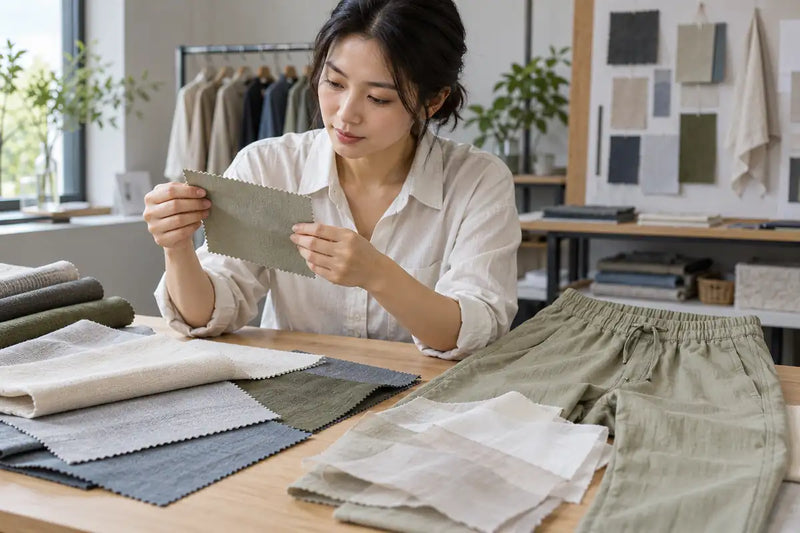
Fabric affects the fit, appearance, durability, care requirements, and cost of a garment. Sourcing therefore begins early, often while the first pattern is being prepared.
The development team may provide swatches, hanger cards, lab dips, print strike-offs, or trim samples. The buyer should evaluate more than color. Weight, stretch, recovery, surface texture, opacity, shrinkage, and hand feel can all change how the garment behaves.
Stock fabric can shorten development and reduce the initial commitment, but availability may change. Custom fabric gives the brand more control over color or performance, although it normally comes with mill minimums and a longer material schedule.
Trims need the same attention. Zippers, elastic, buttons, drawcords, labels, thread, and packaging should be identified before the pre-production sample. A late trim change can affect the pattern, sewing method, price, or delivery plan.
What the buyer approves
The buyer approves the actual fabric and trim references, not a description such as "soft cotton" or "premium zipper." Approved references should be recorded so the production team knows which version is final.
4. Pattern making and size grading
A pattern converts the design into pieces that can be cut from fabric and sewn into a three-dimensional garment. Pattern makers account for measurements, seam allowances, fabric behavior, construction order, and the intended fit.
The first pattern is usually made in a base size. After the fit is approved, the pattern is graded into the remaining sizes. Grading is not a simple percentage enlargement. Each measurement grows according to the brand's size rules and the way the garment should fit across the range.
Marker making follows grading. The graded pattern pieces are arranged across the fabric width to plan cutting and estimate consumption. Fabric direction, print placement, nap, stripe matching, and defect zones can limit how tightly the pieces fit together.
What the buyer approves
The buyer approves the base-size fit and the grading rules. If the brand has an existing size chart, it should be checked against the pattern rather than assumed to work unchanged.

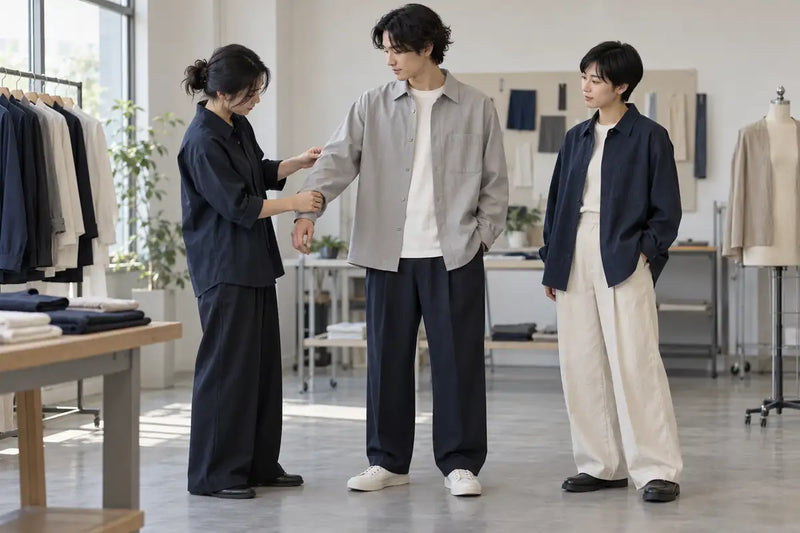
5. Sampling and fit corrections
The sample room turns the pattern and tech pack into a physical garment. The names used for samples vary between companies, but a new style often moves through a prototype, one or more fit samples, and a pre-production sample.
Each round should answer specific questions. Early samples may focus on proportion and construction. Later rounds should confirm fabric, trims, artwork, measurements, workmanship, labels, and finishing.
Clear comments speed up this stage. "The sleeve feels wrong" gives the pattern maker little to work with. A marked photograph, a revised measurement, and a note about where the sleeve restricts movement are much easier to act on.
Sample comments should be consolidated into one document. Conflicting notes from design, merchandising, and management often cause more delay than the sewing itself.
What the buyer approves
The buyer records measurements, fit comments, construction changes, and visual approval for each sample round. The factory should not have to guess whether an older comment still applies.
6. Pre-production sample and production planning
The pre-production sample, often called the PP sample, is the reference for bulk manufacturing. It should use the approved bulk fabric, trims, construction, artwork, labels, and finishing method whenever possible.
Approval of the PP sample closes development. Any remaining exception should be written down before cutting begins. The factory can then prepare the production schedule, operation breakdown, machine requirements, quality checkpoints, and material allocation.
Skipping this gate creates a familiar problem: the buyer thinks the last sample was almost final, while the production team treats it as approved. A signed sample and an updated tech pack give both sides the same reference.
What the buyer approves
The buyer approves the PP sample, final tech pack, bulk materials, color standards, artwork placement, labels, packing method, and agreed tolerances.
7. Fabric inspection, spreading, and cutting
Before cutting, the factory checks incoming fabric against the approved reference and order requirements. The inspection may cover shade, width, weight, visible defects, shrinkage, and other product-specific criteria. Rolls may be grouped by shade so panels from noticeably different dye lots do not end up in the same garment.
Fabric is then relaxed when the material requires it, spread in layers, and cut according to the marker. Cut panels are numbered or bundled to keep sizes, shades, and garment parts together.
Cutting mistakes are expensive because the material has already been committed. The cutting team therefore checks the marker, fabric direction, layer count, and critical notches before the first full lay is processed.
What the buyer approves
Most buyers do not approve the cutting operation directly. They should, however, agree in advance on fabric standards, shade expectations, placement rules, and how shortages or defects will be reported.
8. Sewing, decoration, and in-line checks
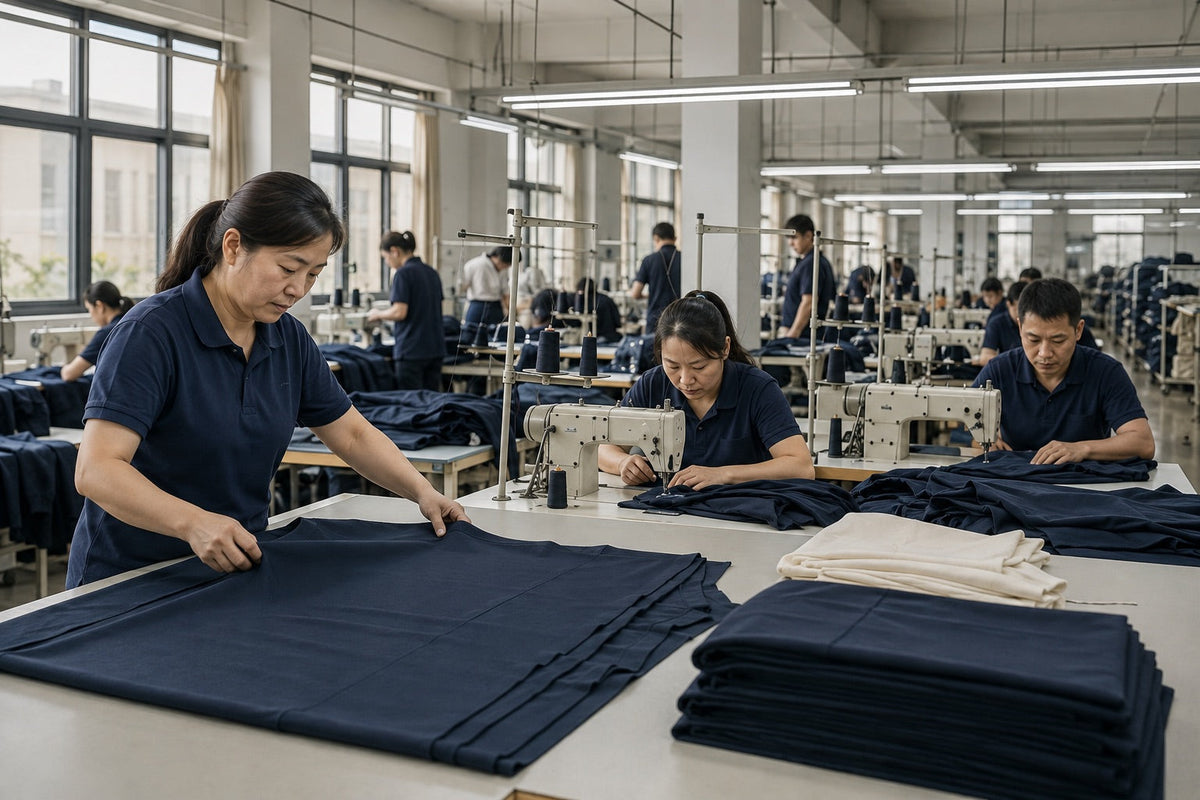
During sewing, operators assemble the cut panels in a planned sequence. A production line may divide the garment into many operations, such as joining shoulders, setting sleeves, attaching collars, closing side seams, and hemming.
Printing, embroidery, heat transfer, bonding, washing, or other treatments may happen before or after sewing, depending on the design. Their timing matters. An embroidery design placed before cutting needs different controls from one added to a finished panel.
In-line quality checks catch problems while the line is running. Inspectors may check measurements, stitch formation, seam appearance, component placement, and construction against the approved sample. Early correction limits the number of garments affected by the same mistake.
What the buyer approves
Before production, the buyer agrees on inspection criteria and tolerances. During production, the factory should report any issue that requires a design decision, material substitution, or change to the approved standard.

9. Finishing and final inspection
Finished garments may need thread trimming, stain removal, washing, pressing, shaping, label checks, metal detection, or other category-specific work. The exact finishing process depends on the product.
Final inspection compares completed goods with the approved sample, measurement specification, workmanship standard, color reference, and packing instructions. The inspection plan may cover every unit or use an agreed sampling method. Either way, the acceptance criteria should be settled before production, not invented at the end.
Defects found during inspection are recorded and separated. Repairable garments may return for rework and another check. The report should distinguish isolated defects from a repeated problem that affects the wider order.
What the buyer approves
The buyer confirms the final inspection method, defect criteria, measurement tolerance, and any testing or third-party inspection requirements. The quality-control page lists the checkpoints that can be discussed for a specific project.
10. Packing, documentation, and shipment
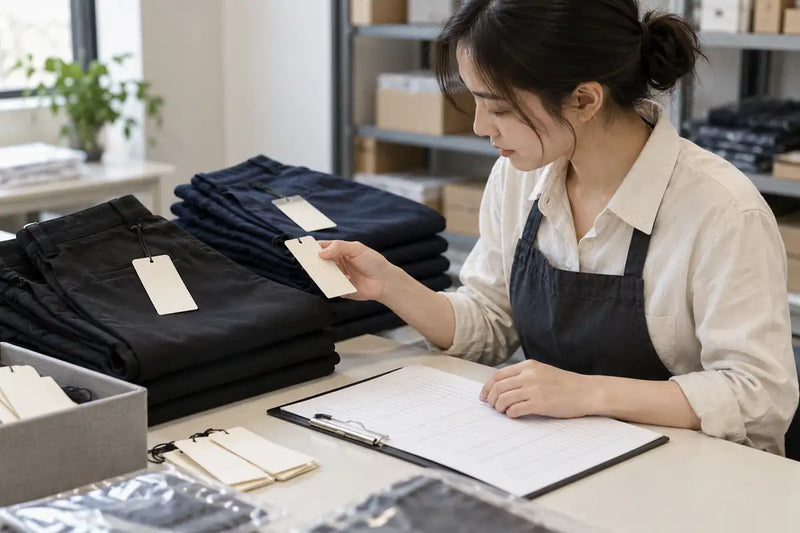
Approved garments are folded, tagged, bagged, and packed according to the order instructions. The packing team checks size and color ratios, carton quantities, barcodes, carton marks, and any retailer-specific requirements.
Shipping documents may include a commercial invoice, packing list, and other records required for the destination or product. Freight terms should be agreed early because they determine who arranges transport, insurance, customs handling, and delivery beyond the agreed handover point.
A production completion date is not the same as a warehouse delivery date. Booking space, export handling, transit, import clearance, and local delivery all need their own time in the launch plan.
What the buyer approves
The buyer confirms the packing instructions, shipping marks, delivery destination, freight arrangement, and required documents before goods leave the factory.

Where clothing production usually slows down
Factories can sew quickly once the product and materials are settled. The delays often sit between approvals. Common examples include a tech pack that changes after costing, fabric selected without checking availability, scattered sample comments, late artwork, and a PP sample approved with unresolved details.
A few working habits prevent much of this:
- Keep one current tech pack and archive outdated versions.
- Name the person who gives final approval for the brand.
- Return sample comments in one marked document.
- Approve physical or traceable material references.
- Set quality and packing requirements before bulk cutting.
- Build buyer review time into the schedule.
The factory controls production. The brand controls the speed and clarity of its decisions. A workable schedule needs both.
Preparing a project for manufacturing
Before contacting a manufacturer, gather the latest tech pack, reference images you are authorized to use, target quantity, size range, target market, and required delivery date. If the design is still early, identify which decisions are open rather than presenting guesses as final specifications.
Review the sampling and production process and the currently verified apparel capabilities. To request an initial feasibility review, send the product category, estimated quantity, target market, and schedule through the project inquiry form.
Frequently asked questions
What are the main stages of the clothing manufacturing process?
A custom garment normally moves from product definition and material sourcing to pattern making, sampling, pre-production approval, cutting, sewing, finishing, inspection, packing, and shipment. Some stages overlap, and the order varies by product.
Do I need a tech pack before contacting a clothing manufacturer?
A complete tech pack produces a more accurate review, but brands can also begin with a clear product brief, authorized references, target quantity, size range, and material expectations. Open decisions should be labeled so they are not mistaken for final instructions.
What is a pre-production sample?
A pre-production sample, or PP sample, is the approved reference for bulk manufacturing. It should match the intended bulk fabric, trims, construction, artwork, labels, and finishing method as closely as possible.
When does quality control happen in the garment production process?
Quality control starts with material and sample approval. Across the apparel manufacturing process, it continues through fabric inspection, cutting checks, in-line sewing inspection, finishing checks, measurement review, and final inspection before packing or shipment.
How long does clothing manufacturing take?
There is no single standard timeline. Product complexity, sample revisions, fabric availability, custom trims, order quantity, finishing processes, factory schedule, buyer approval speed, and freight method all affect the delivery plan.
How can a brand reduce production delays?
Use one current tech pack, consolidate sample comments, approve traceable material references, settle artwork and packaging before bulk cutting, and assign one person to give final brand approval. A realistic clothing production process also leaves time for buyer reviews, not just factory work.